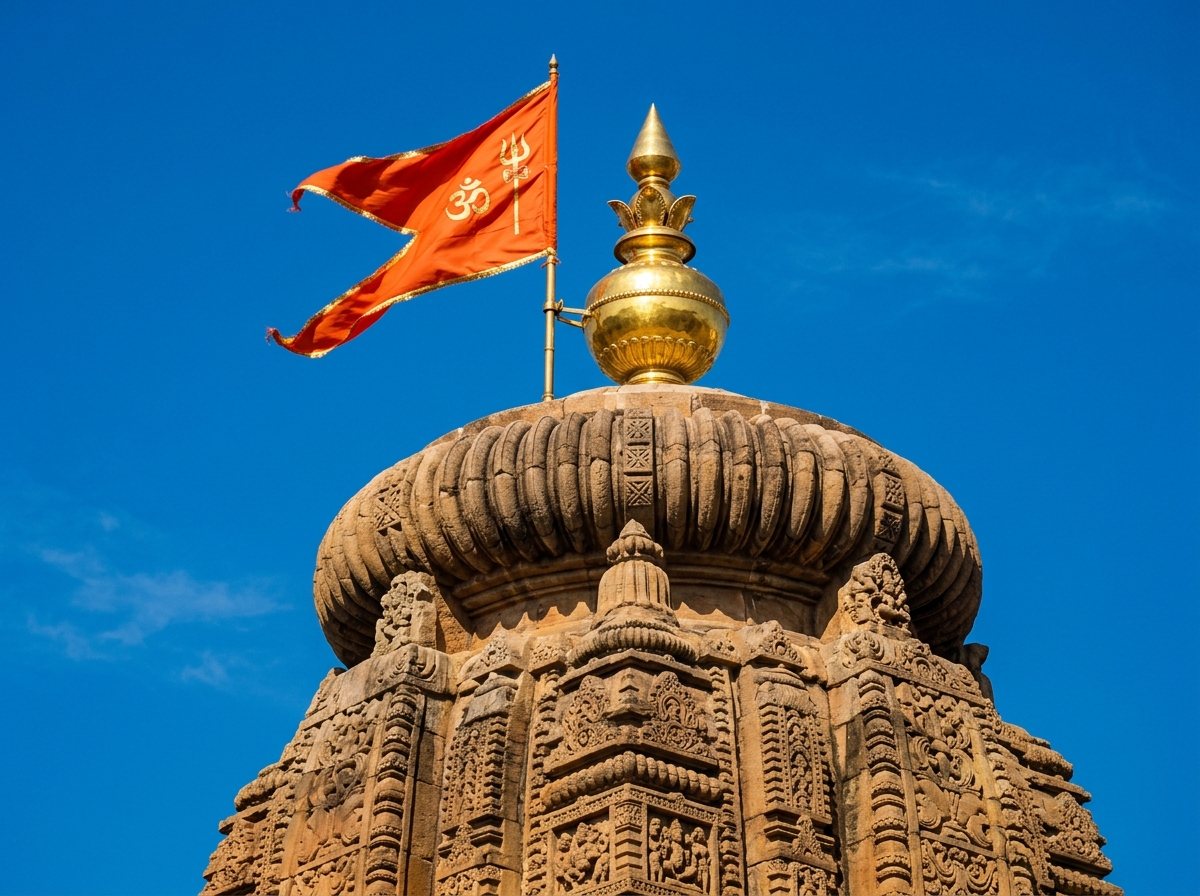
Bihar pilgrimage circuits are groups of holy and historic places that travellers visit together. The main ones are Bodh Gaya, Rajgir and Nalanda for Buddhists, Pawapuri for Jains, and Takht Sri Patna Sahib for Sikhs. Most of them lie within a few hours by road of Patna, so many visitors use the capital as a base.
This guide explains what each place is, why it matters, and how the sites fit together on a map. It is general information, not an official itinerary. Opening hours, ticket prices and road conditions change, so check them close to your travel date.
Key takeaways
- Bodh Gaya is where the Buddha is believed to have reached enlightenment. Its Mahabodhi Temple complex became a UNESCO World Heritage Site in 2002.
- Nalanda and Rajgir lie close together in Nalanda district. Nalanda was an ancient monastery and centre of learning, listed by UNESCO in 2016.
- Pawapuri is the place where, in Jain belief, Mahavira was cremated after reaching nirvana. Its Jal Mandir sits in the middle of a lotus pond.
- Takht Sri Patna Sahib in Patna city marks the birthplace of Guru Gobind Singh, the tenth Sikh Guru, and is one of the five Takhts of the Sikhs.
- Distances in different sources do not always match. Treat the numbers here as rough and confirm them on a current map.
Why does Bihar have so many holy sites?
Several major faiths of India took shape or grew in this region. The Buddha taught around Rajgir and reached enlightenment near Gaya. Mahavira, the 24th Jain Tirthankara (a teacher who shows the path to liberation), spent rainy seasons in Rajgir and is linked to Pawapuri. Guru Gobind Singh was born in Patna. The region is also home to Hindu temples and sacred hot springs.
That mix is why travel writers talk about "circuits". A circuit is simply a route that links places with a shared theme, so a visitor can see several in one trip. The word is a planning idea, not a legal or official category, and you can mix places from different circuits freely.
The four main circuits at a glance
| Circuit | Main places | Why people go |
|---|---|---|
| Buddhist | Bodh Gaya, Rajgir, Nalanda | Enlightenment site, places where the Buddha taught, ancient monastery ruins |
| Jain | Pawapuri, Rajgir | Mahavira's nirvana site, hill temples and old retreat sites |
| Sikh | Takht Sri Patna Sahib, Patna city | Birthplace of Guru Gobind Singh |
| Hindu | Patna temples, Rajgir hot springs | Temple visits and the sacred Brahmakund spring; see our separate guides |
What is there to see in Bodh Gaya?
Bodh Gaya is a small town near the city of Gaya. Its centre is the Mahabodhi Temple complex. Wikipedia says worship here goes back to about the 3rd century BCE, and links the first shrine to the emperor Ashoka. The tall pyramid-shaped temple you see today is dated to the 5th or 6th century CE, in the Gupta period.
Beside the temple stands a tree that is said to descend from the original Bodhi tree under which the Buddha sat. The complex also has the Vajrasana, a stone seat that Wikipedia dates to the 3rd century BCE. UNESCO added the complex to its World Heritage list in 2002.
Planning tips for Bodh Gaya
- We could not find an official page with current opening hours or fees, so we give none. Ask at the temple office or check a recent notice before you go.
- Dress modestly and keep your voice low. Many visitors sit quietly in the grounds to pray or meditate.
- Monasteries built by Buddhist communities from other countries stand around the town. Their opening times differ.
Why visit Nalanda?
Nalanda is the ruin of a great Buddhist monastery that also worked as a centre of learning. Wikipedia places it about 90 km south-east of Patna and about 16 km north of Rajgir. UNESCO inscribed the Archaeological Site of Nalanda Mahavihara in 2016. A "mahavihara" is a large monastery.
Wikipedia says the monastery was founded around 427 CE. It dates a likely attack by forces of Muhammad Bakhtiyar Khalji to about 1200 CE, and says the site was largely abandoned after the early 13th century. Some details of how it ended are still debated. What visitors see today are brick foundations, stupas (dome-shaped Buddhist monuments) and the outlines of monks' living quarters, which are easy to walk around.
A modern Nalanda University stands near Rajgir. Parliament passed the Nalanda University Act in August 2010, and the first academic session began on 1 September 2014. It is a separate, working university, not part of the ruins.
What can you see in Rajgir?
Rajgir sits among five hills in Nalanda district. It matters to two faiths. For Buddhists, the Buddha taught at Gridhrakuta, called Vulture Peak, and the First Buddhist Council is said to have met at the Saptaparni Cave. For Jains, the Kalpa Sutra says Mahavira spent ten rainy-season retreats here.
- Vishwa Shanti Stupa: a white peace pagoda on Ratnagiri hill, opened on 25 October 1969 by the Japanese monk Nichidatsu Fujii. Wikipedia says a ropeway to the site was gifted in the 1960s.
- Venuvana: a wooded garden linked to the Buddha and to local kings, with a Japanese temple next to it.
- Hot springs: Brahmakund is sacred to Hindus. Wikipedia says water from seven springs meets there.
Rajgir is about 110 km from Patna by road and about 78 km from Gaya, according to Wikipedia. Gaya is where the nearest big railway station and airport are.
What is Pawapuri, and what is the Jal Mandir?
Pawapuri, also spelled Pavapuri, is a Jain holy place in Nalanda district. Jain tradition holds that Mahavira was cremated here after reaching nirvana, which means final liberation from the cycle of birth and death. An annual Nirvana Mahotsav (festival) is held on Kartik Amavasya, the night of Diwali.
The main sight is the Jal Mandir, or Water Temple, built in a pond that is known for its lotus flowers in summer. Wikipedia says the pond covers 84 bighas and that catching or killing fish in it is strictly prohibited. The Nirvana Mahotsav became a two-day state-level event in 2017.
Where is Takht Sri Patna Sahib?
Takht Sri Patna Sahib, also called Takhat Sri Harimandir Ji, stands in the old part of Patna city. Guru Gobind Singh was born in Patna on 22 December 1666 and spent his early years here before moving to Anandpur Sahib. A "takht" is a seat of Sikh religious authority, and this is one of five.
The building has a long history. The scholar Charles Wilkins described the site in 1781. A fire destroyed the building soon after, and Maharaja Ranjit Singh rebuilt it in the early 19th century. Wikipedia says earthquake damage led to another rebuild between 1948 and 1957.
Gurdwaras (Sikh places of worship) are open to people of every faith. Visitors are usually asked to cover their heads and remove their shoes. Follow the signs and the staff's instructions on the day.
How far apart are these places, and how can you plan a trip?
Distances
Different websites give different distances, so use these as a rough guide. They come from the Wikipedia pages listed under Sources.
| Route | Rough distance | Note |
|---|---|---|
| Patna to Nalanda | About 90 km | South-east of Patna |
| Nalanda to Rajgir | About 16 km | Close enough to combine in one day |
| Patna to Rajgir | About 110 km | By road |
| Rajgir to Gaya | About 78 km | Gaya has a railway station and an airport |
| Rajgir to Pawapuri | About 19 km | Check a map before you set out |
| Patna to Pawapuri | 90 to 101 km | Sources disagree |
| Takht Sri Patna Sahib | In Patna city | No long trip needed |
Two days from Patna
Spend the first morning at Takht Sri Patna Sahib and other Patna sights. Our guides to temples to visit in Patna and the Mahavir Mandir visitor guide can fill the day. On day two, drive to Nalanda in the morning, then continue to Rajgir and Pawapuri.
Four days with Bodh Gaya
Add a third day to travel from Rajgir to Gaya and Bodh Gaya, and keep the fourth day for the Mahabodhi complex and the monasteries around it. Do not pack too much in. Road times can be longer than the distance suggests.
Where does the Modi Mandir proposal fit in?
It does not fit yet, because it is not a place you can visit. In July 2026 the Bihar State Transgender Welfare Board approved a proposal for a temple for Prime Minister Narendra Modi in Patna, but no site has been reported and no building exists. Our article on the board's approval of the proposal explains what was decided. Do not plan travel around it.
For the wider question of how temples and tourism affect local economies, see the political economy of temple building and tourism. If you like the look of old temples, our guide to Nagara architecture explains the style. More on the project is on the Visiting Patna topic page.
What we do not know
- Current official opening hours and ticket prices for each site. We found no official page we could check, so we left them out.
- The best season to travel. We found no official source, so we give no advice on it.
- Exact road distances. Sources differ by up to double for Pawapuri.
- Annual visitor numbers for each circuit. We found no figure we could check, so we do not give any.
Common questions
How many days do I need for the Bihar circuits?
Two days covers Patna, Nalanda, Rajgir and Pawapuri if you start early. Add two more days for Bodh Gaya and Gaya.
Can I visit Nalanda and Rajgir on the same day?
Yes. They are about 16 km apart, according to Wikipedia, so many visitors see the Nalanda ruins in the morning and Rajgir in the afternoon.
Is Takht Sri Patna Sahib open to non-Sikhs?
Yes. Gurdwaras are open to people of every faith. Visitors are usually asked to cover their heads and remove their shoes. Follow the staff's instructions.
Is there a Modi temple on any of these routes?
No. The Patna proposal was approved by a welfare board in July 2026 but has no reported site or construction.
Sources
- Mahabodhi Temple, Wikipedia (UNESCO listing in 2002, age of the temple)
- Nalanda Mahavihara, Wikipedia (UNESCO listing in 2016, founding date, distances, modern university)
- Rajgir, Wikipedia (Buddhist and Jain sites, Vishwa Shanti Stupa, Brahmakund, distances)
- Pawapuri, Wikipedia (Jal Mandir, Mahavira, festival, distances)
- Takht Sri Patna Sahib, Wikipedia (Guru Gobind Singh's birth, building history)
- The Nalanda University Bill, 2010, PRS Legislative Research (dates it passed Parliament)
Last checked on 24 October 2026. Spotted a mistake? Tell us through our contact page.