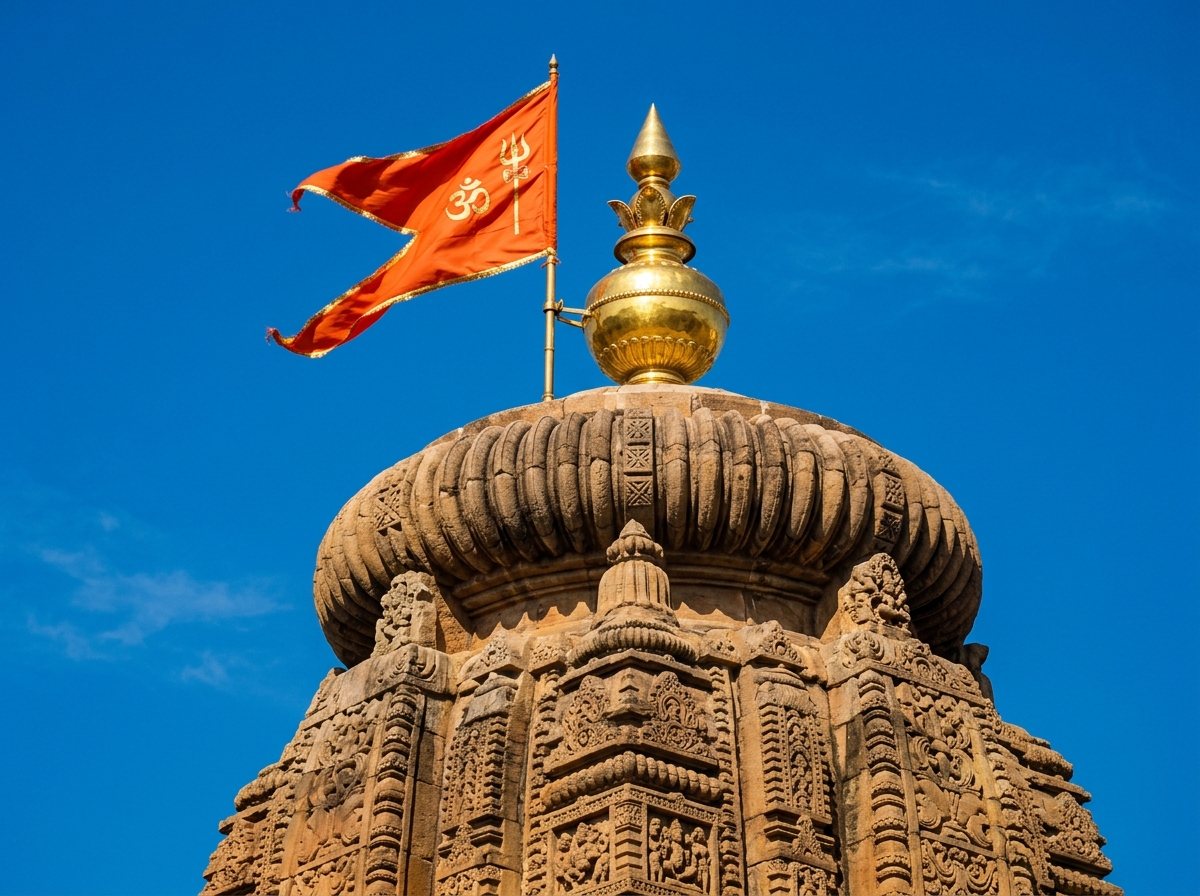
The two shrines in Bihar with the firmest place in the old Shakti Peeth lists are Patan Devi in Patna and Mangla Gauri in Gaya. Several other much-loved temples, such as Ugratara at Mahishi in Saharsa, Chandika Sthan in Munger and Thawe Bhawani in Gopalganj, are called Shakti Peeths by devotees, tourism pages and local news, but they do not appear in the best-known textual list.
We respect these places as living centres of faith. When we say a shrine is "not in the classical lists", we are describing texts, not judging devotion.
Key takeaways
- There is no single official list of Shakti Peeths. Different texts give 4, 18, 51, 52 or 108 seats of the goddess.
- Patan Devi (Patna) is linked to "Magadha" in the 51-seat list called the Pithanirnaya. The historian D.C. Sircar thought that verse was a later addition, but it is widely accepted today.
- Mangla Gauri (Gaya) appears in the hymn of 18 great Shakti Peeths and, in some readings, in the older list of 108 names of the goddess.
- Ugratara (Mahishi), Chandika Sthan (Munger) and Thawe Bhawani (Gopalganj) are regional or popular claims. Two of them are both said to be where Sati's left eye fell.
- Timings are not fixed or well published. Navratri brings very large crowds to all of these temples.
What is a Shakti Peeth?
A Shakti Peeth (also written Shakti Pitha) is a seat of the goddess. The story behind it comes from the Puranas. Sati, the wife of Shiva, gave up her life at the fire sacrifice of her father Daksha, who had insulted Shiva. Shiva, in grief, carried her body across the world. Vishnu cut the body into pieces with his discus, the Sudarshan Chakra, and the places where the pieces fell became sacred seats of the goddess.
At each seat the goddess is worshipped under a local name, and Shiva is present as a guardian form called a Bhairava. Many Shakti temples do not have a large image. Some have only a stone, a mark or a covered spot that stands for the part of Sati linked to the place.
For the layout of the shrines you will visit, see our explainer on the parts of a Hindu temple.
How many Shakti Peeths are there, and which texts list them?
The number depends on which text you follow, which is why guides disagree. The historian D.C. Sircar compared the lists in The Sakta Pithas, a much-cited scholarly study. Based on his work, the main lists are these:
- The 108 names list. A list of 108 names of the goddess, each tied to a holy place, first appears in the Matsya Purana (chapter 13). The Devi Bhagavata Purana (book 7, chapter 30) quotes the same list and calls the places pithas, but, Sircar notes, it does not say which part of Sati fell at each.
- The 51 seats of the Pithanirnaya. The best-known list today is a short text called the Pithanirnaya or Mahapithanirupana. It names 51 seats, with the body part, the goddess and the Bhairava for each. It says it is part of a Tantra called the Tantrachudamani, which is why many guides cite that name. Sircar doubted the claim and dated the text to the late 17th or early 18th century.
- The 52 seats. Some manuscripts and some traditions in Bengal count 52. Bihar Tourism uses 52 on its Patan Devi and Thawe pages.
- The 18 great seats. A hymn of 18 Maha Shakti Peeths, traditionally credited to Adi Shankaracharya, is widely recited, and it includes Gaya.
- Very short lists. Some texts name only 4 or 7 core seats. The Kalika Purana, for example, names 7.
Sircar also noted that the lists were drawn up with great freedom, so a place can appear in one text and not another.
Which Shakti Peeths are in Bihar? The short answer in one table
| Shrine | District | Body part or form linked to it | Status in the lists | Nearest city or travel note |
|---|---|---|---|---|
| Badi and Chhoti Patan Devi | Patna | Right leg or thigh (and cloth, in the Bihar Tourism telling). Goddess Sarvanandakari | Magadha is in the Pithanirnaya 51 list in many versions. Sircar thought the verse was added later | In Patna City, the old eastern part of Patna |
| Mangla Gauri | Gaya | Breast, as local tradition and Bihar Tourism say. Goddess Mangala or Mangalya Gauri | In the 18 great seats hymn. In some readings of the 108 names list. Not in the Pithanirnaya 51 | On Mangalagauri Hill in Gaya. Reached by steps or by road |
| Ugratara Sthan | Saharsa | Left eye, says Incredible India. Some devotional sites link it to the Mithila seat (left shoulder) instead | Regional claim. Not named in the Pithanirnaya | Mahishi village, about 17 km west of Saharsa station |
| Chandika Sthan | Munger | Left eye, according to local tradition and Prabhat Khabar | The district website calls it one of the 51. Munger is not in the Pithanirnaya as Sircar edited it | North-east edge of Munger town. Patna Airport is about 185 km away, says the district website |
| Thawe Bhawani | Gopalganj | No body part. Belief that the goddess came here from Kamakhya | Popular and regional. Bihar Tourism calls it "like a Shaktipitha" | About 6 km south of Gopalganj town |
| Maa Tara Chandi | Rohtas | Right eye, in popular accounts | Popular claim. The district website does not call it a Shakti Peeth | In a cave in the Kaimur hills at Sasaram |
Is there a Shakti Peeth in Patna?
Yes, by the most widely held belief. Patna has two temples to the goddess Patneshwari: Badi (big) Patan Devi and Chhoti (small) Patan Devi. Bihar Tourism says that the right thigh and cloth of Sati fell at Magadha, and it places that in the Maharajganj and Chowk areas of old Patna, which is why there are two temples.
In the Pithanirnaya, as edited by Sircar, the Magadha entry gives the right jangha (the lower leg or thigh), the goddess Sarvanandamayi, better known in Patna as Sarvanandakari, and the Bhairava Vyomakesha. Sircar located this Magadha seat in "the Patna-Gaya region in South Bihar". He also wrote that the Magadha verse was added by later copyists who could not find 51 names in the manuscripts in front of them. So Patan Devi is in the widely used version of the 51 list, but a leading scholar thought it was not in the earliest form of that text.
We cover the two temples, the name debate and visiting details in our full Patan Devi guide, so we will not repeat them here. For other temples in the city, see temples to visit in Patna and the Mahavir Mandir visitor guide.
Is Mangla Gauri in Gaya a Shakti Peeth?
Yes. Mangla Gauri has one of the strongest textual claims of any Bihar shrine, though not from the 51 list. The temple stands on Mangalagauri Hill in Gaya. Bihar Tourism says the breast of Sati is believed to have fallen here, and that the goddess is worshipped as a symbol of nourishment. Both Bihar Tourism and Incredible India date the temple to the 15th century.
What the texts say
- The popular hymn of 18 great Shakti Peeths, traditionally credited to Adi Shankaracharya, names the goddess at Gaya as Mangalya Gauri. This is why many guides call Mangla Gauri a Maha Shakti Peeth.
- In the older list of 108 names, Sircar records the goddess Mangala at "Ganga", with Gaya as another reading in some manuscripts.
- The 108 list does not name a body part. The link with Sati's breast comes from temple and local tradition.
Where the sources disagree
Bihar Tourism's own page uses two counts. Its overview calls the temple one of the "eighteen Maha Shakti Peethas", while its summary box calls it one of the "51 Shakti Peethas". Incredible India also says 51. Strictly, Gaya appears in the 18 list, not in the Pithanirnaya 51. Bihar Tourism also says the Padma, Vayu and Agni Puranas and the Devi Bhagavata mention the temple. We have not checked each text ourselves, so we report this as the department's statement.
Gaya is also busy at other times of year with pinda daan (rites for ancestors) at the Vishnupad temple. Our overview of Bihar's pilgrimage circuits explains how Gaya fits in with Bodh Gaya and Rajgir.
Is Ugratara at Mahishi a Shakti Peeth?
Many devotees in the Kosi region believe so, and India's official tourism site calls it one. The temple is at Mahishi village in Saharsa district, about 17 km west of Saharsa station, according to the district website. That page says the image of Bhagwati Tara is very old, with two smaller goddesses, Ekjata and Nil Saraswati, on either side.
- Incredible India calls it a Shakti Peetha and says it is thought to be where Sati's left eye fell.
- The Saharsa district page does not mention a Shakti Peeth or a body part at all.
- Prabhat Khabar (May 2026) calls it a Siddha Shakti Peeth and a major centre of Tantric worship.
- Some devotional websites instead count it among the Bihar temples linked to the Mithila seat, where the Pithanirnaya says Sati's left shoulder fell.
The Pithanirnaya does not name Mahishi. In Sircar's index, the entry "Ugratara" points to the seat of Tara at Tarapur near Nalhati in Birbhum, West Bengal (better known as Tarapith), which a later writer named Vamsidasa linked with Sati's eyes. So the left-eye belief at Mahishi is a regional tradition. The state's Shri Ugratara Sanskritik Mahotsav, run by Bihar Tourism and the Saharsa district administration, is held around Navratri in September or October.
Is Chandika Sthan in Munger a Shakti Peeth?
The Munger district website says it is "one of the fifty one Shakti Peethas". The temple stands at the north-east corner of Munger. The same page gives its distance as two kilometres from town in one place and 4.5 km by road in another.
Local tradition, reported by Prabhat Khabar in July 2026, holds that Sati's left eye fell here, and that the eye of the goddess is inside a cave in the hill, with the temple built above it. Many devotees believe the goddess here can heal eye ailments, as the Wikipedia entry on the temple and several temple guides note. A popular legend links the shrine with Karna, the king of Anga in the Mahabharata, who is said to have worshipped the goddess daily.
Two cautions. We did not find Munger in the Pithanirnaya as Sircar edited it, so the "51" claim rests on local tradition. And the left eye is also claimed for Ugratara at Mahishi, so two Bihar shrines are said to hold the same part of Sati. No source we found settles this.
Is Thawe Bhawani in Gopalganj a Shakti Peeth?
Not in the classical sense, and the official sources are careful about this. The Gopalganj district website describes Thawe simply as an old temple to Goddess Durga, known as "Thawe wali Mata", which its places-of-interest page puts about 6 km south of the district headquarters. Bihar Tourism says there are 52 Shaktipithas and that Thawe "is also like a Shaktipitha". Many devotees call it a Siddha Peeth, a place where prayers are believed to be answered.
The temple's story is different from the Sati story. Devotees believe the goddess came here from Kamakhya in Assam at the call of her devotee Rahshu Bhagat. In the version told by ETV Bharat, a king named Mannan Sen demanded to see her and was ruined when she appeared. Accounts of the temple's founding differ. ETV Bharat mentions a 16th-century origin under the Chero dynasty and another tradition that a Hathwa ruler established it in 1714. We could not confirm either date from a historical record.
The district website notes a large fair at Thawe every year in Chaitra (March to April). ETV Bharat reports that thousands of devotees queue for the midnight Nisha Puja during Navratri, coming from Bihar, Uttar Pradesh and Nepal.
Are there other Shakti Peeths in Bihar?
Several other temples are called Shakti Peeths, mostly in devotional writing and local news. The evidence for these is thinner.
- Mithila seat. The Pithanirnaya names Mithila, where the left shoulder fell, with the goddess Uma and the Bhairava Mahodara. Sircar identified it with Janakpur in Nepal. In Bihar, devotional sites point to Uchaith Bhagwati in Madhubani, Jaymangla Garh in Begusarai and Ugratara at Mahishi instead.
- Maa Tara Chandi, Sasaram. Popular accounts say Sati's right eye fell here. The Rohtas district website says only that the temple is in a natural cave of the Kaimur hills and has a 12th-century inscription of the Kharwar king Pratap Dhavaldev.
- Aranya Devi, Arrah. The goddess the city is said to be named after. Some online lists call it a Shakti Peeth. We found no official source that does.
How to plan a visit to the Shakti Peeths of Bihar
These shrines are spread across the state, so most people visit one or two at a time. Our guide to day trips from Patna covers the nearby heritage sites.
- Check timings locally. We found no official opening hours for most of these temples, and listings disagree. For Mangla Gauri, Incredible India gives 6 am to 8 pm, while other listings give split hours. Hours also change at festivals.
- Expect big crowds at Navratri. Both Navratris, Chaitra (March to April) and Sharadiya (September to October), bring long queues at all of these shrines. Go early, carry water and keep your belongings close.
- Be ready for steps and hills. Mangla Gauri is on a hill, and Chandika Sthan and Tara Chandi are built into hillsides.
- Follow local custom. Remove footwear where asked, dress modestly and ask before taking photographs inside. At some temples, such as Mahishi, Prabhat Khabar reports that animal offerings are part of the tradition, which some visitors may want to know in advance.
- Check the date of anything you read online. Many temple pages copy each other, and details change from site to site.
Hard words explained
- Peeth or pitha: literally a seat or altar. Here, a sacred seat of the goddess.
- Bhairava: a guardian form of Shiva who is worshipped alongside the goddess at each seat.
- Siddha Peeth: a place where devotees believe prayer and spiritual practice bring results. It does not have to be one of the Sati seats.
- Tantra: a family of ritual texts and practices. Many Shakti Peeth lists come from Tantric works.
- Navratri: the nine-night festival of the goddess, held twice a year.
Common questions
How many Shakti Peeths are in Bihar?
There is no fixed number. Patan Devi in Patna and Mangla Gauri in Gaya have the strongest textual claims. Ugratara, Chandika Sthan, Thawe and several others are called Shakti Peeths by local tradition, tourism pages or news reports.
Which Shakti Peeth is in Patna?
Patan Devi. Tradition says Sati's right thigh fell in Magadha, which is identified with old Patna. There are two temples, Badi Patan Devi and Chhoti Patan Devi.
Which part of Sati fell at Mangla Gauri in Gaya?
Local tradition and Bihar Tourism say the breast. The textual basis for Gaya as a Shakti Peeth is the hymn of 18 great seats, which names the goddess there as Mangalya Gauri.
Is Thawe Mandir one of the 51 Shakti Peeths?
No. It is not in the classical lists. Bihar Tourism calls it "like a Shaktipitha", and devotees revere it as a Siddha Peeth where the goddess is believed to have come from Kamakhya.
Sources
- D.C. Sircar, The Sakta Pithas, full text on the Internet Archive
- Bihar Tourism, "Badi Patan Devi"
- Bihar Tourism, "Mangala Gauri"
- Incredible India, "Mangla Gauri Temple"
- Saharsa district, "Shri Ugratara Sthan, Mahishi"
- Incredible India, "Shri Ugratara Sanskritik Mahotsav"
- Prabhat Khabar, report on the Ugratara temple at Mahishi (Hindi), 15 May 2026
- Munger district, "Chandi Asthaan"
- Wikipedia, "Chandika Sthan"
- Prabhat Khabar, report on Chandika Sthan, Munger (Hindi), 28 July 2026
- Gopalganj district, "Thawe Temple"
- Gopalganj district, "Places of Interest"
- Bihar Tourism, "Thawe Mandir"
- ETV Bharat, "Thawe Bhavani, the legendary goddess of Gopalganj", October 2024
- Rohtas district, "Maa Tara Chandi Temple"
- Green Message, "Mithila Shakti Peetha" (devotional source)
Last checked on 3 November 2026. Spotted a mistake, or know a shrine we should add? Tell us through our contact page.